Pyramids Gates
PYRAMIDSGATES
Cities, deserts, and river light

Gates Across Egypt

Home/ Explore Egypt

168 destinations

Cairo
Travel Destination
5 tours

Cairo

Cairo

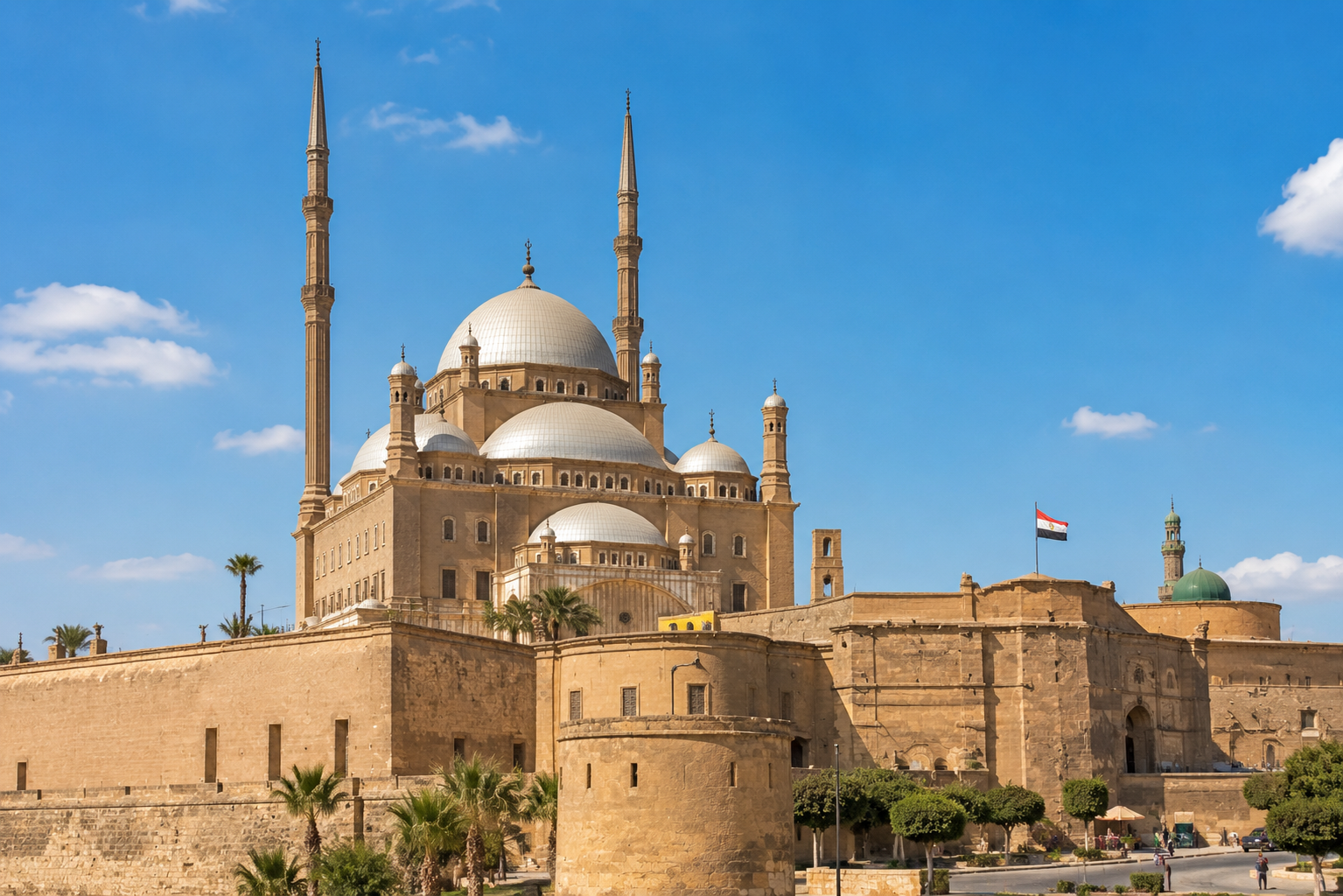
Cairo, Egypt’s sprawling capital, is a vibrant metropolis that seamlessly blends millennia of history with dynamic modern city life. Situated along the banks of the Nile River, it serves as the cultural, political, and historical heart of the nation. The city is home to world-renowned landmarks, including the Egyptian Museum, the medieval Citadel, and the historic Khan el-Khalili bazaar. As a gateway to the nearby Giza Necropolis and countless other monuments, Cairo stands as a premier global travel destination, offering a unique convergence of Pharaonic, Coptic, and Islamic heritage amidst a bustling urban landscape.
Giza
Travel Destination
5 tours

Giza

Giza

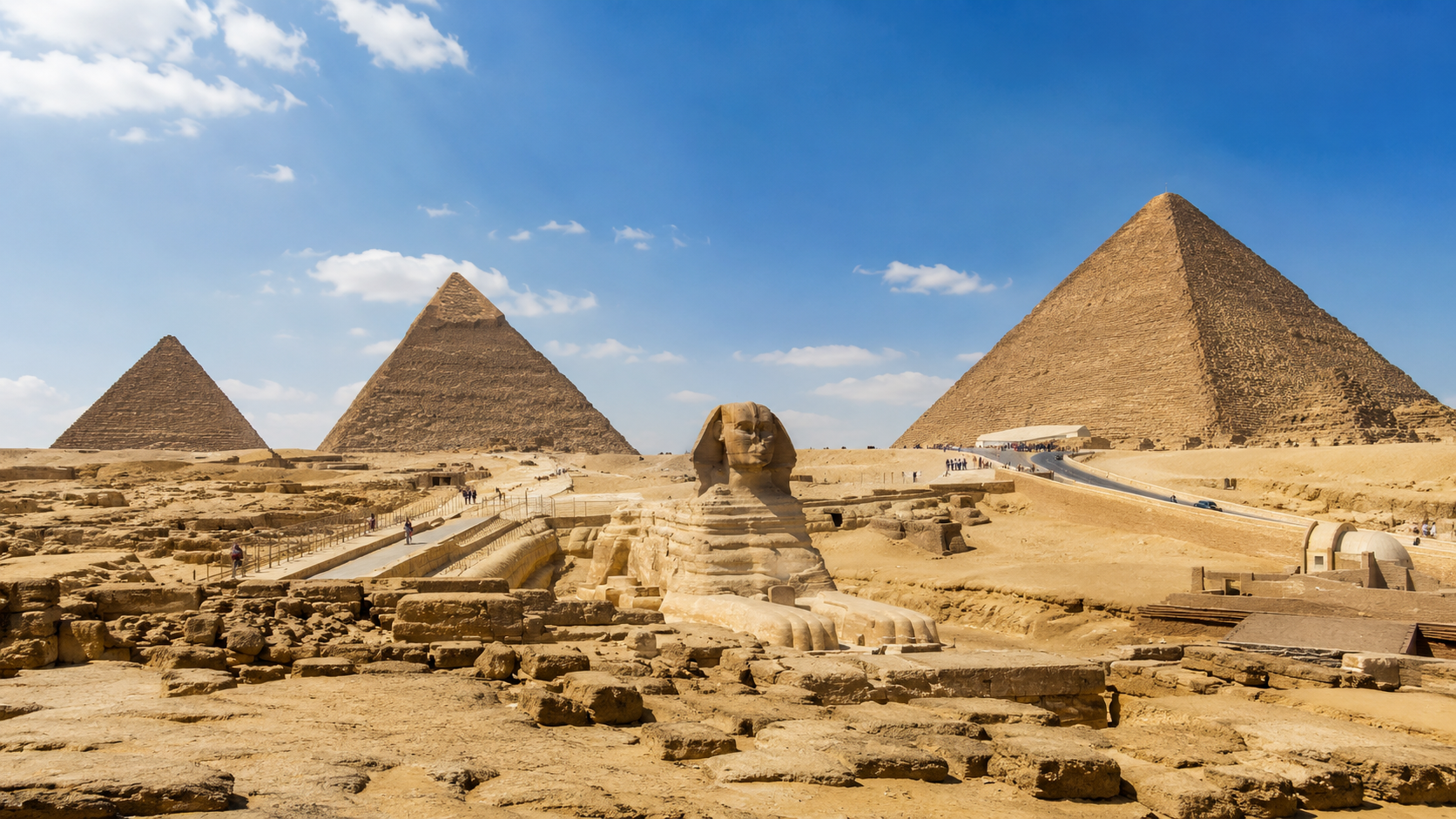
Giza, situated on the west bank of the Nile River directly opposite Cairo, is globally renowned as the location of the Giza Plateau, home to the Great Pyramids of Khufu, Khafre, and Menkaure, alongside the Great Sphinx. Serving as the northernmost section of the ancient Memphis Necropolis—a designated UNESCO World Heritage Site—Giza represents the architectural and engineering peak of Fourth Dynasty Old Kingdom Pharaonic civilization (c. 2600–2500 BCE). Beyond its iconic ancient monuments, Giza is a bustling major metropolis and key cultural center, housing the Grand Egyptian Museum (GEM), which consolidates thousands of Pharaonic artifacts, making the city a premier gateway to ancient Egyptian history.

Alexandria
Travel Destination
1 tour

Alexandria

Alexandria

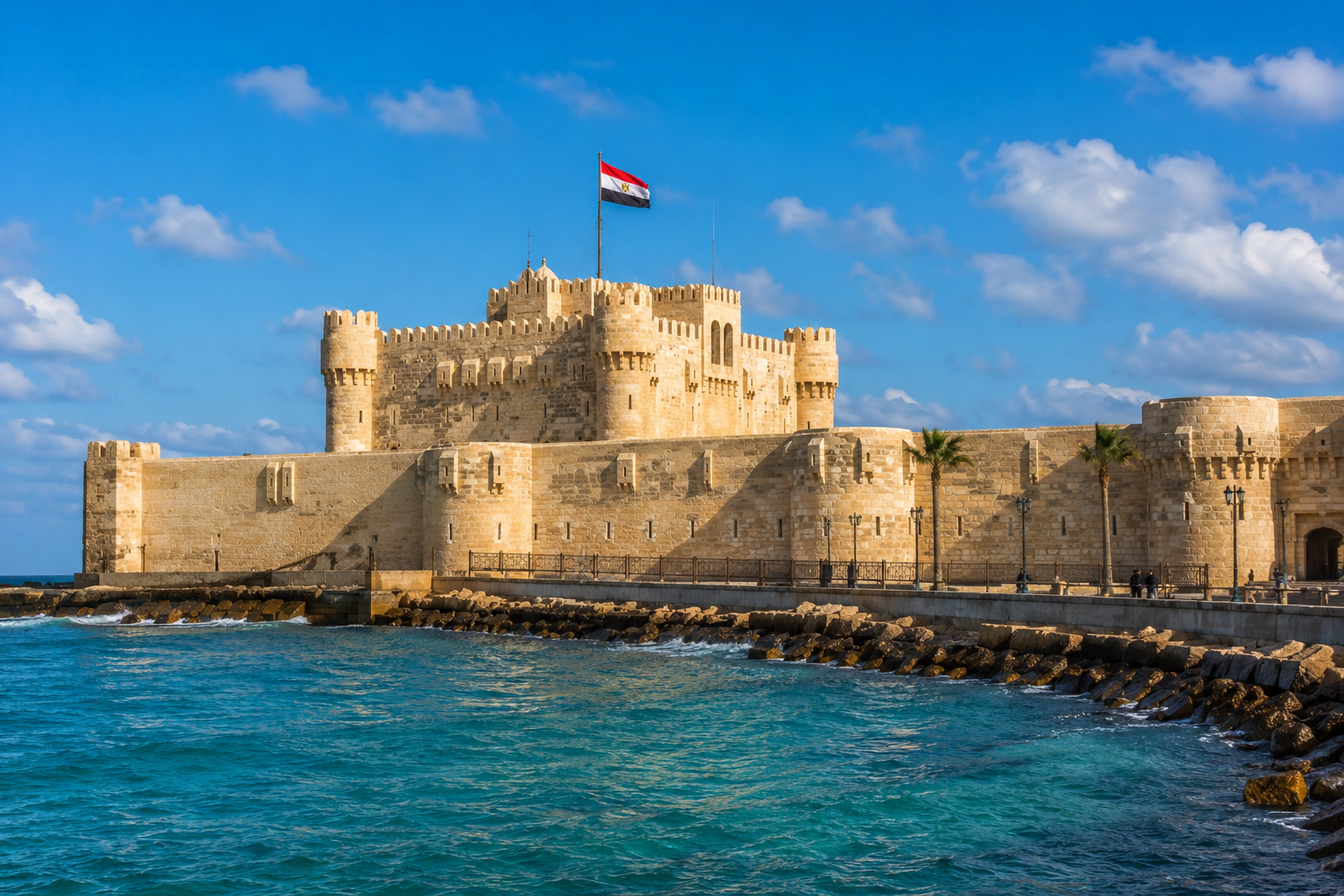
Founded in 331 BCE by Alexander the Great, Alexandria is Egypt's primary Mediterranean port city and second-largest urban center. Renowned as a prominent crossroads of Greco-Roman and Egyptian civilizations, the city historically housed ancient wonders such as the Pharos Lighthouse and the Great Library of Alexandria. Today, Alexandria remains a major cultural, historic, and coastal hub. Key landmarks include the 15th-century Citadel of Qaitbay—built on the foundations of the ancient lighthouse—the modern Bibliotheca Alexandrina, Pompey's Pillar, the Roman Amphitheatre, and the Kom El Shoqafa Catacombs. The city features a distinct Mediterranean atmosphere, historic waterfront promenades along the Corniche, and a rich architectural heritage spanning Hellenistic, Roman, Byzantine, Islamic, and 19th-century European influences.

Fayoum
Oasis
1 tour

Fayoum

Fayoum

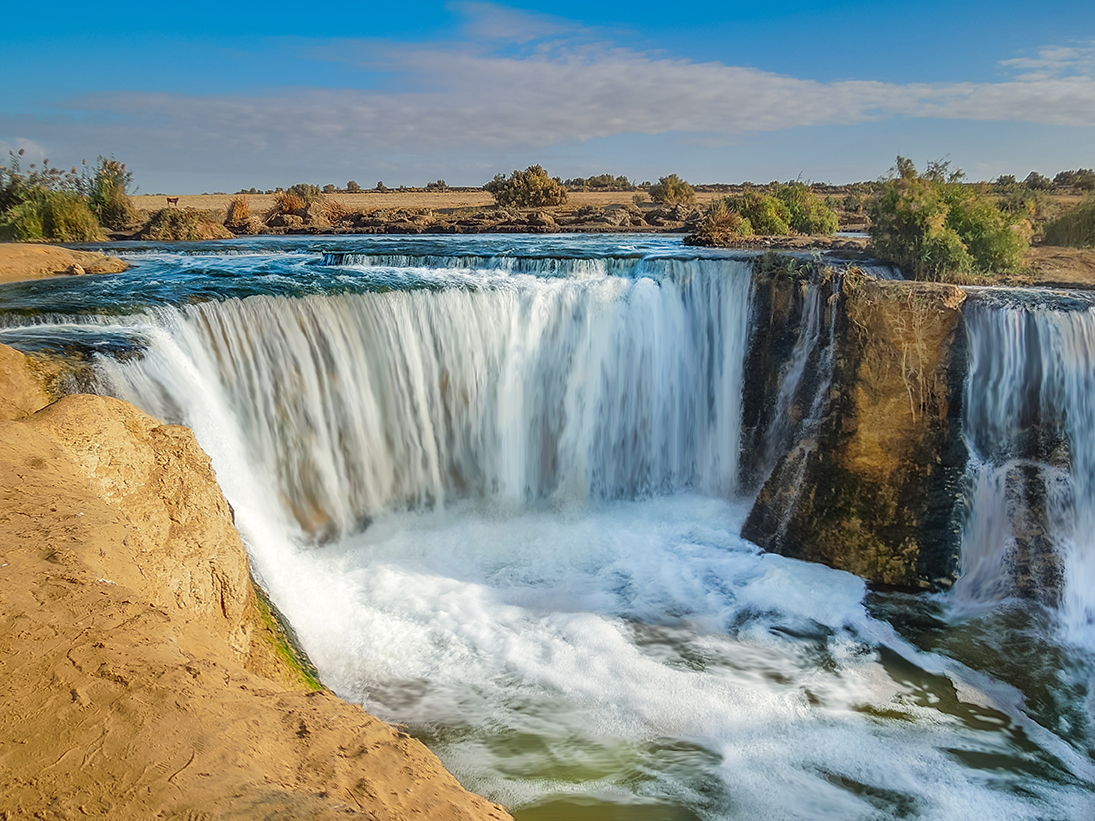
Fayoum is a historic fertile oasis basin located southwest of Cairo, renowned for its rich agricultural landscape, ancient archaeological sites, and unique natural ecosystems. Fed by the Bahr Yussef canal originating from the Nile, Fayoum features a history spanning thousands of years. It served as the chief cult center for the crocodile deity Sobek in antiquity (known as Crocodilopolis or Arsinoe) and flourished dramatically during the Middle Kingdom under pharaohs such as Senusret II and Amenemhat III. The region encompasses significant natural and cultural landmarks, including Lake Qarun, the UNESCO World Heritage Site of Wadi El Hitan (Whale Valley), the waterfalls and sand dunes of Wadi El Rayan, the artistic pottery village of Tunis, and Middle Kingdom pyramids at Hawara and Lahun. Blending Pharaonic, Greco-Roman, and Islamic heritage with desert adventures, eco-tourism, and birdwatching, Fayoum is one of Egypt's most multifaceted cultural and natural destinations.

Attraction image 89
Temple

Sohag

Temple of Seti I at Abydos

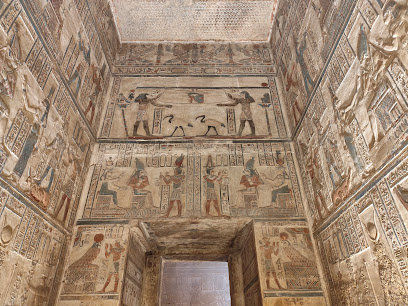
The Temple of Seti I at Abydos is a major New Kingdom monument begun by Pharaoh Seti I of the Nineteenth Dynasty and completed after his death by his son Ramesses II. It stands at Abydos, one of ancient Egypt’s most important religious centers and a major focus of the cult of Osiris. The temple is distinguished by its finely carved and partly preserved painted reliefs, two hypostyle halls, and seven principal chapels dedicated to Seti I, Ptah, Re-Horakhty, Amun-Re, Osiris, Isis, and Horus. Among its most significant features is the Abydos King List, which depicts Seti I and the future Ramesses II honoring a selected sequence of earlier Egyptian rulers. The monument is especially important for the study of royal cult, temple ritual, Egyptian kingship, and New Kingdom religious art.

Giza Pyramids Tethered Balloon Experience
Adventure Activity Site

Giza

Giza Pyramids Tethered Balloon Experience

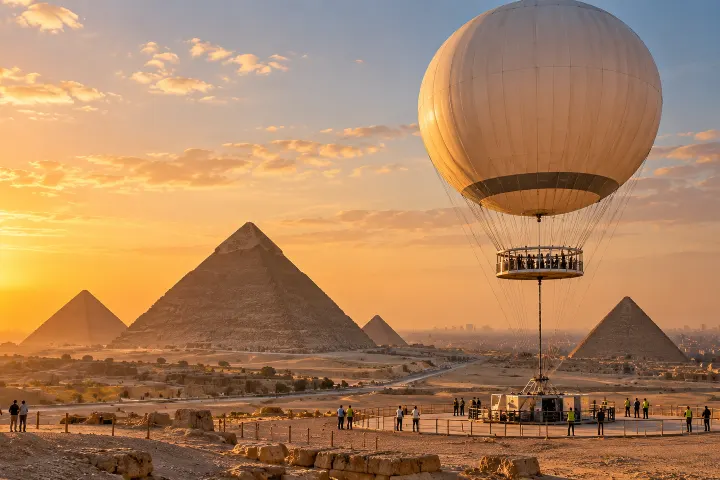
The Giza Pyramids Tethered Balloon Experience is a modern aerial tourism attraction situated in a designated desert launch zone approximately 2 kilometers outside the direct archaeological boundaries of the Giza Plateau. Utilizing a giant helium-filled pressurized balloon developed by French specialist Aerophile in collaboration with Egyptian authorities, the system elevates visitors vertically up to 150 meters (492 feet) into the air. Secured to a ground station by a high-strength steel tether cable, the balloon operates in a controlled ascent and descent, providing maximum safety while strictly adhering to heritage protection and environmental standards. From the gondola, passengers enjoy uninterrupted 360-degree panoramic views of the Great Pyramids of Khufu, Khafre, and Menkaure, the Great Sphinx, the vast desert expanse, and the Grand Egyptian Museum. Enhanced by multi-language audio commentary, this experience offers a distinct top-down perspective of Egypt's ancient wonders.

Attraction image 72
Mosque

Gharbia

Ahmed al-Badawi Mosque

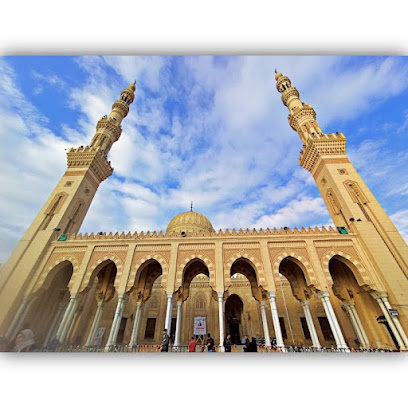
A major mosque and pilgrimage landmark in Tanta associated with the Sufi saint Ahmad al-Badawi.

Ain Sokhna (Red Sea)
Resort Destination
1 tour

Suez

Ain Sokhna (Red Sea)

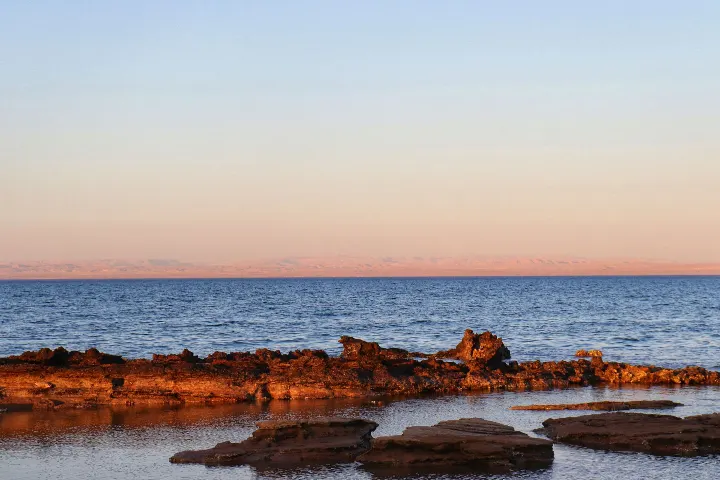
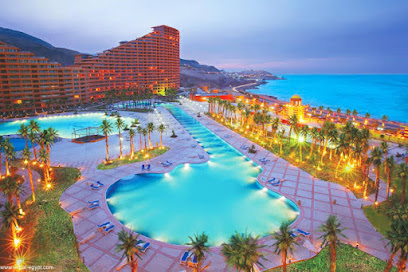
Ain Sokhna is a major coastal resort destination on the western shore of the Gulf of Suez, part of the Red Sea, south of Suez and within easy reach of Cairo. The area is known for its sandy beaches, clear coastal waters, surrounding desert mountains, resorts, and opportunities for swimming, diving, fishing, kitesurfing, and other marine activities. Official Egyptian sources associate the name “Ain Sokhna,” meaning “hot spring,” with naturally warm springs found in the area, including springs near the foot of Mount Ataka. Its proximity to Cairo has made it particularly important as a year-round and weekend seaside destination, combining Red Sea recreation with a distinctive mountain-and-coast landscape.

Abdeen Palace Museum
Museum / Palace

Cairo

Abdeen Palace Museum

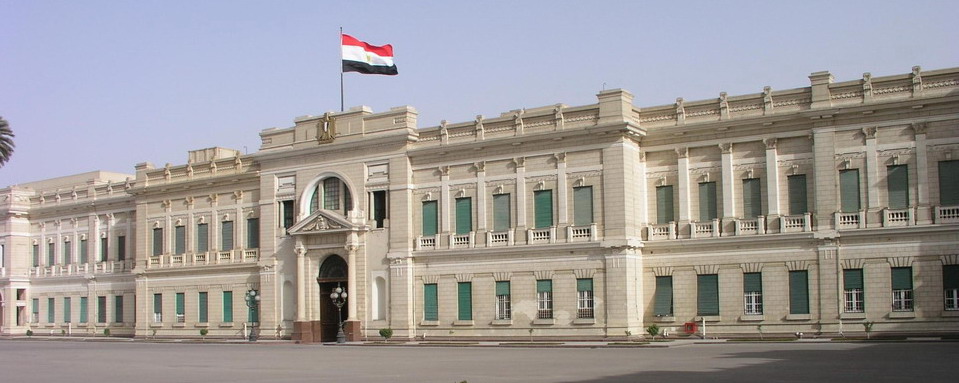
Abdeen Palace Museum is a historic royal and presidential palace museum complex in central Cairo. Khedive Ismail commissioned the present palace after assuming power in 1863, and its construction was completed in 1874 as part of his plan to create a modern capital inspired by European cities. The palace subsequently served as a principal seat of government during the Muhammad Ali dynasty and became one of Egypt’s presidential palaces after the 1952 revolution. Today, its museum complex preserves collections connected with Egypt’s royal and modern political history, including weapons and ammunition, silverware, medals and decorations, historical documents, and official gifts. Its richly decorated halls, European-influenced architecture, royal furnishings, and historic collections make Abdeen Palace an important monument for understanding Egypt’s political, courtly, and architectural history from the nineteenth century onward.

Ain Sokhna
Beach Destination

Suez

Ain Sokhna

A Gulf of Suez beach destination close to Cairo, popular for short coastal trips.

Attraction image 130
Beach / Dive Site

Red Sea

Abu Dabbab Bay

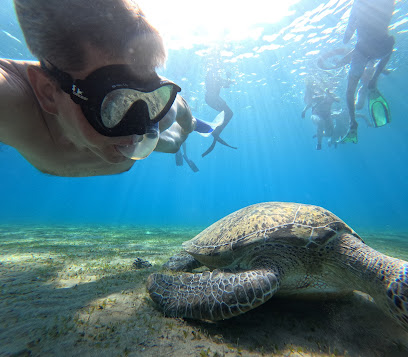
A beach and snorkeling site near Marsa Alam known for seagrass habitats and marine life.

Aisha Fahmy Palace
Palace

Cairo

Aisha Fahmy Palace

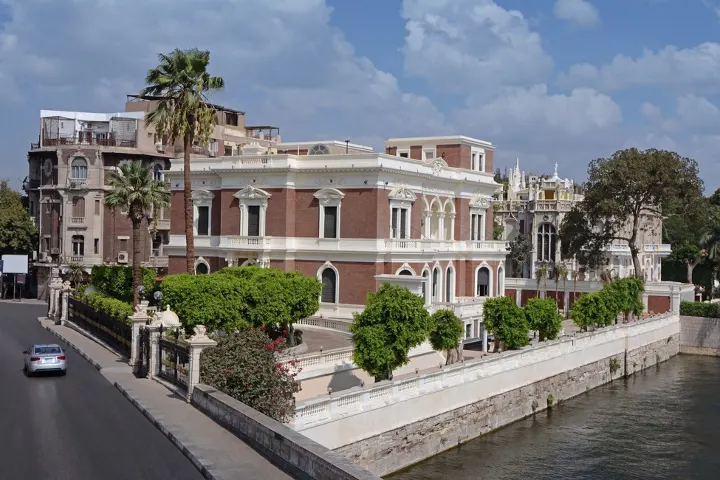
Aisha Fahmy Palace is a historic palace and arts venue on the Nile in Zamalek, Cairo. Built in 1907 and designed by Italian architect Antonio Lasciac, the building is distinguished by its European classical character, richly decorated interiors, stained glass, ornamental woodwork, and rooms influenced by different artistic traditions, including a notable Japanese-style room. The palace later became closely connected with Egypt’s modern cultural life. It was transferred to the Ministry of Culture in 1958 and subsequently developed as the Arts Complex, hosting major exhibitions and events associated with Egypt’s visual-arts movement. After an extensive restoration, it reopened in May 2017. The building was officially registered as a historic/archaeological building in 2010.