
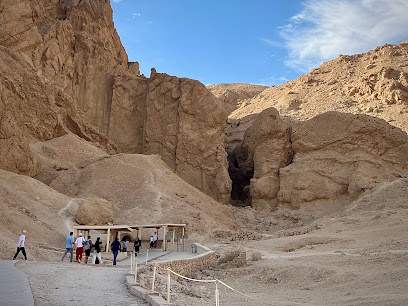
The Valley of the Queens is one of the essential West Bank sites in Luxor. It served as a royal necropolis for queens, princesses, princes, and important members of the New Kingdom royal family, complementing the better-known Valley of the Kings. For travelers, it offers a quieter and often more intimate way to understand royal afterlife beliefs, funerary art, and the sacred desert landscape of ancient Thebes.
The strongest content angle is contrast. The Valley of the Kings is associated mainly with pharaohs, while the Valley of the Queens tells the story of royal women and children. Its most famous tomb is that of Queen Nefertari, the principal wife of Ramesses II, whose decoration is widely admired for its color and elegance. Even when some tombs have controlled or limited access, the valley itself is important for explaining how the Theban necropolis was organized.
For SEO, the article should answer questions like “Is the Valley of the Queens worth visiting?”, “What is the difference between Valley of the Kings and Valley of the Queens?”, and “Can I visit the Tomb of Nefertari?”. The final page should avoid promising access to specific tombs unless confirmed, because openings, conservation rules, and ticket categories can change.
A practical visitor section should suggest pairing the valley with Hatshepsut Temple, Medinet Habu, Deir el-Medina, the Ramesseum, and the Colossi of Memnon. The site works especially well for travelers who want a deeper West Bank itinerary rather than a quick photo stop. Explain that the desert setting can be hot and exposed, so comfortable shoes, water, and early timing are useful.
For images, use a hero photo showing the valley entrance or desert landscape, supported by tomb corridor details where permitted. The Arabic page should use “وادي الملكات” naturally and position it as a major part of Ancient Thebes, not a secondary site.