
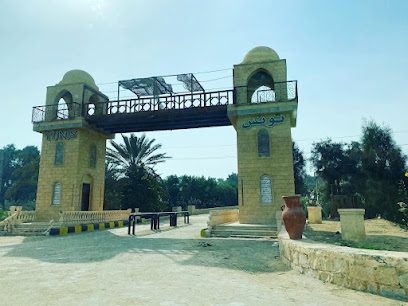
Tunis Village is one of Fayoum’s most charming cultural stops, known for pottery workshops, rural guesthouses, quiet lanes, and views toward Lake Qarun. It is the kind of attraction that works because it feels human in scale. Instead of monumental columns or vast temple courts, visitors find mud-brick architecture, gardens, handmade ceramics, small studios, and a relaxed village rhythm.
The village became especially associated with pottery after artists and teachers helped develop local ceramic workshops. Over time, Tunis gained a reputation as an art village where travelers can buy handmade pieces, watch artisans at work, or take a short pottery experience. The pottery is often decorated with birds, fish, palm trees, desert scenes, and simple forms inspired by Fayoum’s landscape.
A strong attraction page should present Tunis as a cultural and lifestyle destination. It is not only a shopping stop. It is a place to understand how craft, tourism, and rural life can support one another. Many visitors come from Cairo for a slower weekend, combining Tunis with Lake Qarun, Wadi Hitan, Wadi El-Rayan, and nearby archaeological sites.
The village is also valuable for photography and soft travel content. Narrow roads, domed houses, pottery displays, gardens, and lake views create a warm visual identity. However, responsible travel matters. Visitors should ask before photographing people or private workshops, respect local homes, and remember that this is a living village, not an open-air set.
For SEO, Tunis Village can target searches such as “Fayoum pottery village,” “Tunis Village Egypt,” “things to do in Fayoum,” and “Fayoum day trip from Cairo.” The page should answer practical questions: what to buy, whether workshops are available, how long to spend, and what nearby attractions pair well with it. A typical visit may last one to three hours, but many travelers choose to stay overnight in local guesthouses.
The best description should make the traveler feel the pace of the place. Tunis is not about rushing. It is about clay, hands, lake light, quiet cafés, and the pleasure of finding a handmade object connected to the landscape. In a wider Egypt itinerary, it offers a gentle counterpoint to pyramids, temples, and crowded city streets.