
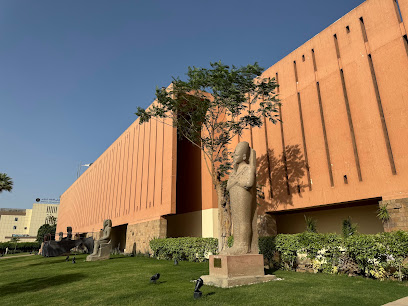
Luxor Museum is one of the best places to understand ancient Thebes before or after visiting the temples and tombs of Luxor. Set on the east bank of the Nile, the museum offers a calm, carefully curated experience rather than an overwhelming display. Its galleries focus on quality, context, and storytelling, bringing together statues, royal objects, reliefs, jewelry, and discoveries from the Luxor area.
The attraction works especially well as a cultural bridge between the open-air monuments of Karnak, Luxor Temple, the Valley of the Kings, and the West Bank. Instead of presenting ancient Egypt as isolated masterpieces, Luxor Museum helps visitors connect objects to the city that produced them. Statues of kings and gods, selected pieces connected with Tutankhamun’s discovery, and material from different historical periods all show how Thebes became a political, religious, and artistic center.
For travelers, the museum is a practical and rewarding stop. It is smaller than the Egyptian Museum in Cairo, but that is part of its strength. You can walk through the galleries slowly, read the labels, and leave with a clearer idea of the people, beliefs, and craftsmanship behind the temples outside. It is also an excellent choice during the hotter hours of the day, when outdoor sightseeing can be tiring.
A good visit usually takes one to two hours. History lovers may spend longer, especially if combining the museum with Luxor Temple in the evening or Karnak in the morning. For SEO-focused attraction pages, Luxor Museum should be presented as an essential indoor cultural stop in Luxor: compact, elegant, and deeply connected to the monuments of ancient Thebes.