
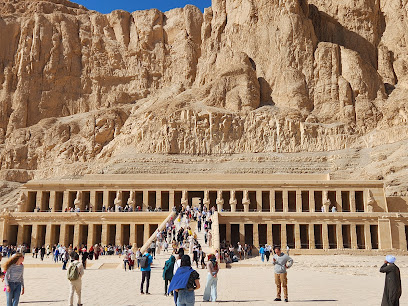
The Valley of the Kings is one of the greatest archaeological landscapes in Egypt. Located on Luxor’s West Bank, it served as the royal burial area for many New Kingdom pharaohs and powerful elites. Unlike the pyramids of the Old Kingdom, these tombs were cut deep into the desert mountains, their corridors and chambers decorated with religious texts and scenes intended to guide the king through the afterlife. The valley includes more than sixty tombs, along with unfinished tombs that reveal the process and ambition behind royal burial.
The site’s fame is linked strongly to the tomb of Tutankhamun, but the valley is much bigger than one discovery. Tombs such as those of Seti I, Ramesses VI, and other kings show extraordinary painting, astronomical ceilings, and complex underworld books. Every open tomb offers a different experience, depending on preservation, depth, decoration, and visitor access. This variety makes the Valley of the Kings a place where travelers should plan, not simply arrive.
A blog detail page should explain ticket structure carefully because standard entry and special tomb access can vary. It should also advise visitors to go early, carry water, respect photography rules, and avoid touching painted surfaces. Pairing the valley with Hatshepsut Temple, Deir el-Medina, the Ramesseum, Medinet Habu, and the Colossi of Memnon creates one of Egypt’s best full-day itineraries. The Valley of the Kings is not only a list of tombs; it is an encounter with ancient Egyptian ideas of eternity, kingship, art, and sacred geography.