
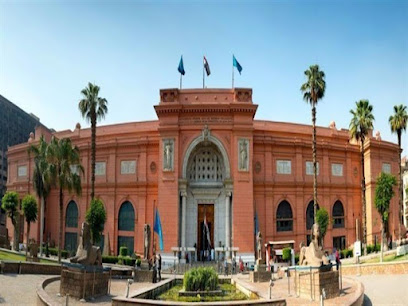
The Egyptian Museum in Tahrir Square is one of Cairo’s essential cultural landmarks and one of the world’s most important museums for ancient Egyptian antiquities. Opened in the early twentieth century, its historic pink building became the classic home of pharaonic art in the heart of the modern capital. The museum’s galleries cover a long span of Egyptian history, from early periods through the pharaonic and Greco-Roman worlds.
The museum is especially valuable because it preserves the atmosphere of a traditional archaeology museum: statues, coffins, stelae, jewelry, papyri, funerary objects, royal artifacts, and everyday items are displayed in dense historical context. Even as newer museums in Egypt present collections with modern interpretation, Tahrir remains a powerful place to feel the scale and richness of Egypt’s archaeological heritage.
For an attraction blog page, the Egyptian Museum should be framed as a must-visit introduction to ancient Egypt before or after visiting Giza, Saqqara, Luxor, or Aswan. Visitors should allow enough time, consider a guide for context, and check current gallery access before going. The page can also explain that Cairo’s museum landscape is expanding, but Tahrir remains historically important and deeply connected to the story of Egyptian archaeology.